3 Issues a Well Inspection Can Help Identify Early
For property owners relying on well water, regular well inspections are an essential component of maintaining the safety and efficiency of their water supply. These inspections are not merely routine check-ups; they serve a pivotal role in preemptively identifying potential problems before they escalate into costly repairs or health hazards. Through systematic inspections, issues such as contamination, equipment malfunctions, structural problems, water quality concerns, and compliance with legal standards can be detected and addressed early. By ensuring that any defects are caught early, property owners can safeguard their investment, ensuring their water source remains reliable and safe. Early identification and intervention can significantly reduce the risk of emergency repairs and long-term damage, illustrating the critical importance of well inspections.
1. Contamination from Surface Water
Contamination from surface water is a common concern for well owners, making it crucial to conduct routine inspections. Identifying potential breach points in the well's structure can prevent surface water from infiltrating the well, which is often a source of bacteria and pollutants. A crucial aspect of a well inspection is evaluating the integrity of the sanitary seal, which acts as a barrier to prevent contaminants from entering the water supply. Furthermore, testing for common contaminants such as nitrates, bacteria, and heavy metals is vital in determining the water's safety for consumption. By assessing the proximity of the well to potential sources of contamination, such as septic systems or agricultural runoff, corrective measures can be implemented to minimize risk.
According to ZipDo, the United States has an estimated 15 million active water wells, and about 90% of them serve private households. This highlights the importance of maintaining strict standards in well inspections to protect these households' water quality. Surface water contamination can often go unnoticed until it poses a significant health risk, such as the outbreak of waterborne diseases. Inspections are crucial in detecting early signs of contamination, allowing for timely intervention measures such as erosion control or vegetation management around the well site. Regular inspections provide peace of mind for well owners, ensuring that their water remains free of harmful contaminants.
If a well is found to be at risk of contamination, implementing corrective measures promptly can prevent serious health consequences. Sealing any identified leak points in the well's casing or cap can significantly reduce the likelihood of contamination. Enhancing protective measures, such as installing proper drainage systems or barriers around the well, contributes to minimizing surface water intrusion. The overall goal of these strategies is to reinforce the well's defenses against contamination, ensuring a clean and safe water supply for household use. By proactively approaching potential contamination issues, well owners can maintain water quality and safety for years to come.
2. Equipment Malfunctions
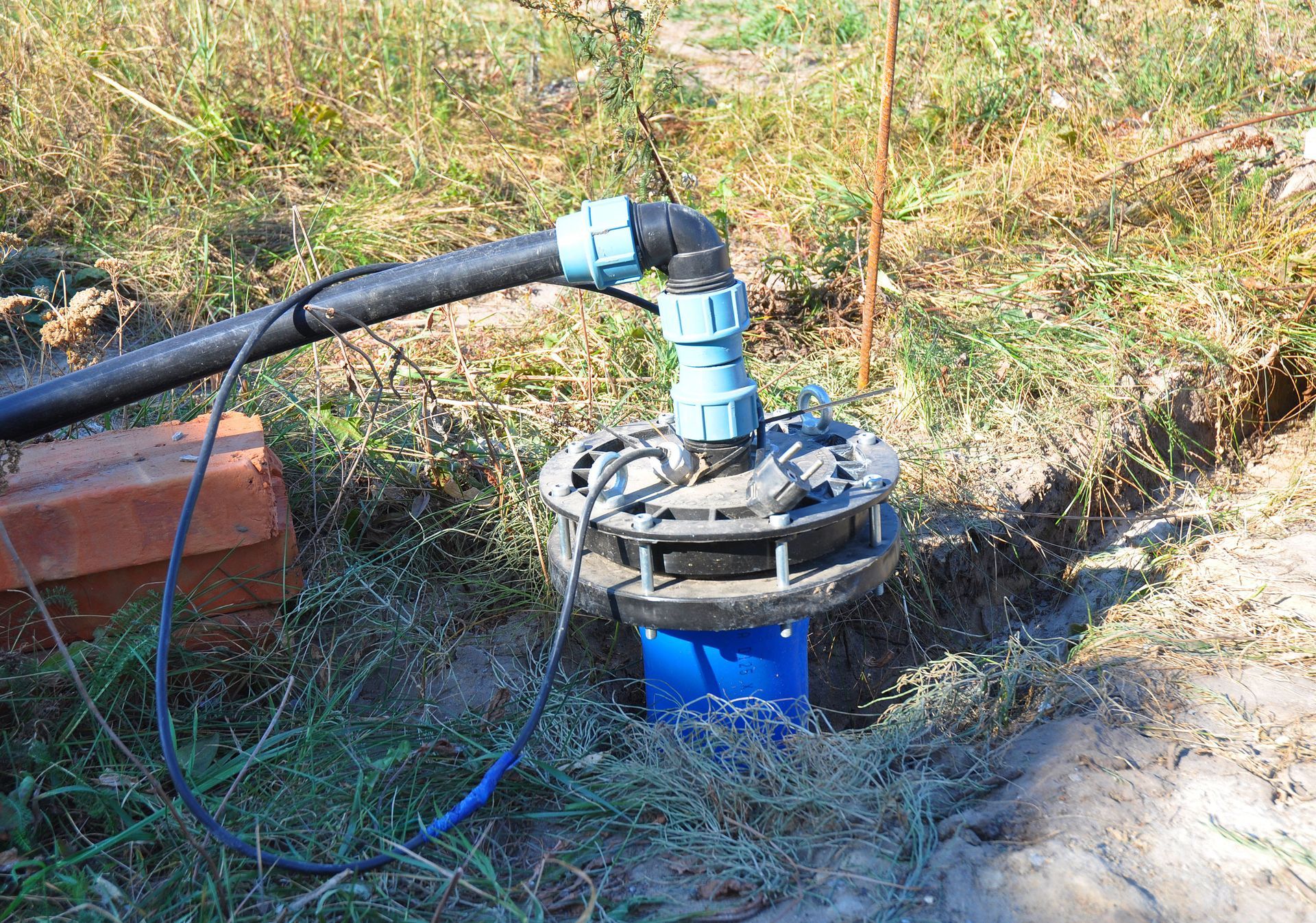
Ensuring the optimal performance of well equipment is a key outcome of thorough inspections. Inspectors will typically begin by assessing the pump's performance, as it plays a critical role in the water delivery system. A malfunctioning pump can lead to inconsistent water supply, reduced water pressure, and increased electricity consumption, all of which can be avoided with regular maintenance checks. Evaluating electrical components is also necessary to detect issues such as faulty wiring, which could cause power failures or inefficiencies in water extraction. Regularly identifying and rectifying signs of mechanical wear can prevent more severe malfunctions from occurring in the long run.
Routine well inspections not only identify existing equipment malfunctions but also help predict the lifespan of critical components. This foresight enables property owners to plan and budget for future repairs or replacements, minimizing potential disruptions to their water supply. Scheduling regular maintenance based on inspection findings extends the life of the well system, ensuring continued efficiency and reliability. Proactively replacing deteriorating components, such as worn-out pumps or corroded casings, can prevent sudden breakdowns and costly emergency repairs. Maintaining a well-functioning water system is crucial for property owners who depend on a consistent and safe water source.
Recognizing the signs of impending equipment failures is a crucial skill that well inspectors possess, enabling them to advise property owners appropriately. By conducting comprehensive evaluations of all well components, inspectors can identify subtle indications of wear and tear before they escalate into significant problems. This preventative approach saves money in the long run and reduces inconvenience for well owners. Additionally, by ensuring that all equipment operates at peak efficiency, well inspections contribute to the overall optimization of the water delivery system. Ultimately, regular inspections enhance the longevity and performance of the well equipment.
3. Structural Integrity of the Well
The structural integrity of a well is critical for its safe and efficient operation, with inspections playing an instrumental role in assessing this aspect. One of the main components inspected is the well casing, which supports the structure and prevents contaminants from entering the water supply. Inspectors will look for signs of wear, rust, or damage that could compromise the casing, recommending repairs or replacements as necessary. Additionally, inspecting for leaks or fractures within the well structure can prevent further deterioration and the risk of contamination. By evaluating well depth stability, inspectors ensure that the well remains functional and safe over time.
Monitoring sediment accumulation is another vital aspect of assessing structural integrity. Sediment buildup within the well can lead to blockages, reducing water yield and potentially damaging pumps and other equipment. Inspections help identify early signs of sediment accumulation, allowing for timely cleaning or maintenance to prevent complications. Reinforcing structural weaknesses, whether through repairs or adjustments, strengthens the well against environmental factors like seismic activities or heavy rainfall. These measures safeguard the longevity of the well, protecting the owner's investment and reducing the risk of costly repairs in the future.
Regular checks of the well's structural integrity also ensure compliance with health and safety standards. Inspectors can provide property owners with detailed reports on the condition of their well, identifying areas that require attention to meet legal and regulatory requirements. By understanding the current state of their well, owners can make informed decisions regarding maintenance and upgrades. This proactive approach maintains both the functionality and safety of the water supply, fostering confidence among property owners. Overall, ensuring the structural integrity of a well is an essential step in maintaining a safe and reliable water source.
Advancements in water testing technologies have made it easier for inspectors to provide comprehensive assessments of water quality. These evaluations include detailed reports on contaminant levels, which help guide decisions on filtering or treating processes. Moreover, understanding the water's overall condition supports sustainable water management practices, ensuring the well remains a reliable resource over time. Routine testing also aligns with regulatory standards by ensuring compliance with local and federal guidelines. Consistent monitoring and improvement of the water quality fortify the vital link between public health and water supply management.
In conclusion, well inspections are a critical tool in identifying potential issues early, ensuring the ongoing safety, efficiency, and compliance of water wells. By examining every aspect of a well system—from contamination risks and equipment function to structural integrity and legal compliance—property owners can protect their investment and preserve the quality of their water supply. Regular inspections offer the dual benefit of minimizing the likelihood of costly repairs and enhancing the overall water delivery system's longevity. With the insights provided by thorough inspections, well owners can make informed decisions, enhancing their system's performance and maintaining a safe water source for themselves and the broader community. In a country with over 15 million active water wells, ensuring the integrity and performance of these systems is a responsibility that safeguards both individual and public health. Be sure to reach out to Motzko Well Drilling today to learn more about our professional well inspection!

Share On: