What Professionals Look for During a Full Well Inspection
Owning a private water system offers independence from municipal utilities, but it also places the responsibility of maintenance squarely on the property owner. Unlike public water supplies that face daily monitoring, a private system depends on routine evaluations to stay operational and safe. Many homeowners rarely think about their underground setup until the pressure drops suddenly or the tap water turns cloudy. Scheduling a comprehensive well inspection helps catch subtle equipment wear and structural vulnerabilities before they trigger disruptive, expensive household emergencies.
A certified technician brings specialized diagnostic tools and years of field experience to evaluate what lies beneath your yard. Because much of the infrastructure remains hidden hundreds of feet underground, a proper assessment requires a methodical approach that links surface conditions with subterranean mechanics. Understanding what technicians look for gives you clear insight into your system's current condition, anticipated service life, and overall safety profile.
1. Evaluating the Wellhead and Surface Integrity
The surface assessment serves as the first line of defense during any comprehensive checkup. Technicians begin by inspecting the ground immediately surrounding the casing to confirm that soil slopes away from the pipe. Proper ground grading prevents surface runoff, melted snow, and pooled rainwater from channeling downward along the outside of the casing pipe. Inspectors also check for nearby contaminant sources, verifying that gardens, livestock areas, septic drain fields, and fertilizer storage sites sit safely beyond recommended isolation distances.
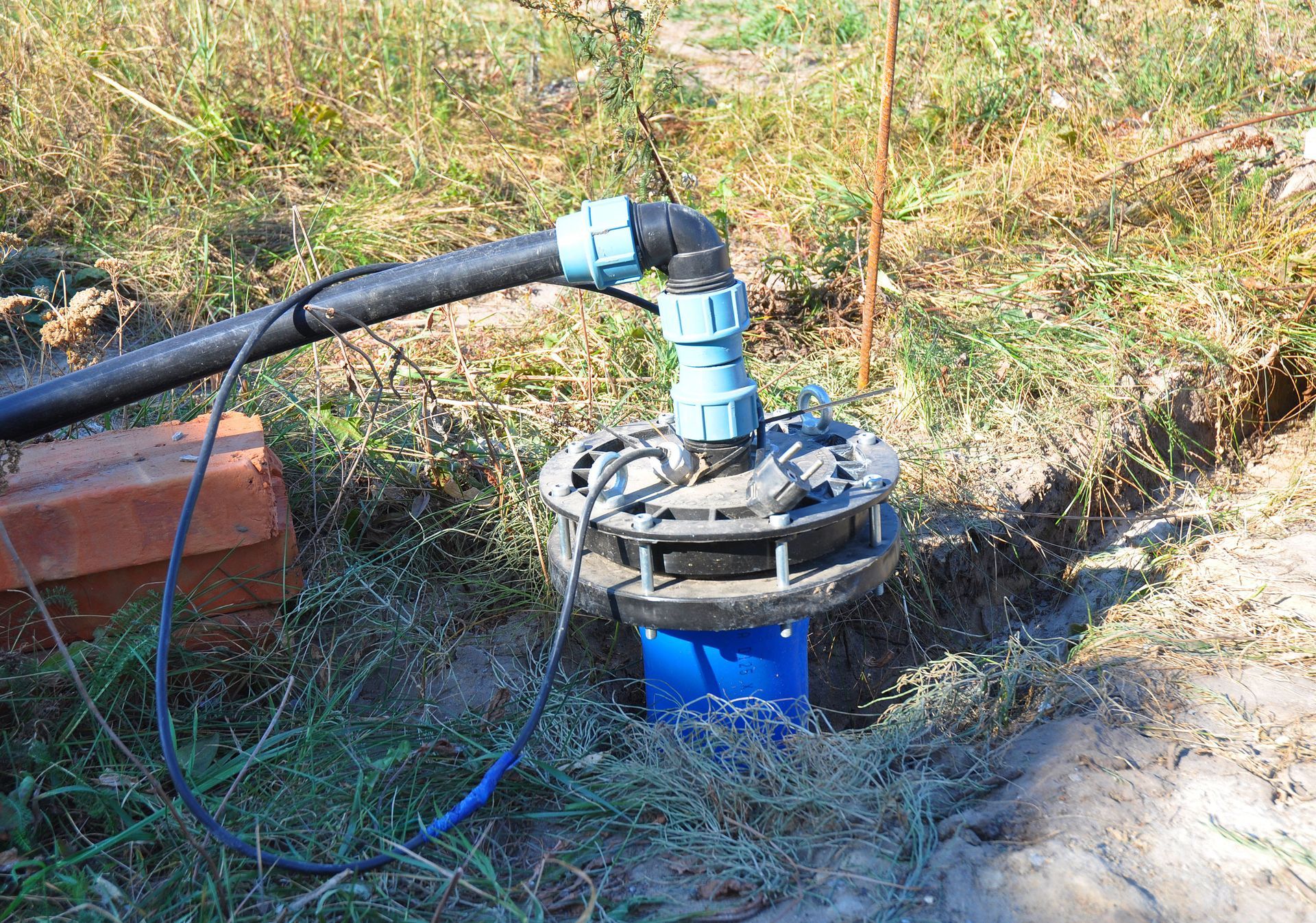
Next, the technician examines the physical casing pipe rising above the grade. Most residential codes require the casing to extend at least 12 inches above the soil line or potential flood level. The professional checks the metal or PVC casing for corrosion, structural fractures, hairline cracks, or loose fittings that might permit insects or burrowing animals to enter. A sound sanitary cap tops the casing, fitted with a watertight rubber compression gasket and screened air vents that equalize pressure while barring spiders, earwigs, and dirt from tumbling inside.
Inspectors also review the physical records and construction tags attached to the casing head during this initial stage. According to ZipDo, residential wells in the U.S. average 120 feet in depth, though individual drill depths vary widely depending on local geology and aquifer levels. The professional notes the casing diameter, age, and installation details to contextualize findings against the original construction logs filed with state or county agencies.
2. Testing Pump Performance and Mechanical Systems
Once surface components pass inspection, focus shifts to the mechanical heart of the water delivery network. Technicians inspect the electrical wiring, conduits, and safety disconnect boxes serving the submersible or jet pump. Loose terminals, frayed insulation, or signs of overheating indicate electrical strain that could cause sudden pump motor burnouts. Technicians measure operating voltage and running amperage with digital multimeters, comparing these readings against the motor manufacturer's operational tolerances to detect internal friction or failing motor windings.
The pressure tank and its electromechanical pressure switch undergo rigorous testing next. The inspector observes how the switch toggles the pump on and off as water drains through the house, checking internal switch contacts for pitting, carbon buildup, or corrosion. They verify that the cut-in pressure and cut-out pressure settings match typical household baselines. An inaccurate pressure switch forces the pump to cycle excessively, which degrades motor components much faster than normal continuous runs.
Finally, the professional assesses the health of the expansion tank itself. Over time, internal rubber parts can tear, causing waterlogging that eliminates the protective air cushion necessary for smooth pressure regulation. Technicians check the tank air valve with a tire gauge to verify appropriate pressure when the system is empty. If there's a leak or internal tank corrosion appears severe, replacing that unit protects the submersible pump from short-cycling damage and stabilizes household plumbing pressure.
3. Measuring Water Yield and Flow Capacity
Evaluating water yield establishes whether your aquifer and pump setup produce enough volume to sustain regular household demand. During this phase of a well inspection, the technician runs continuous flow tests to calculate gallons delivered per minute over a measured interval. Standard residential systems typically need to deliver three to five gallons per minute continuously to handle routine cooking, bathing, and laundry routines, in our professional experience. Technicians log flow rates using inline flow meters or calibrated bucket tests at the source before treatment filters.
Simultaneously, the inspector tracks how the water table responds under sustained pumping stress. Using an acoustic sounder or an electric water-level tape, they measure static water level, which represents the natural water height when the pump remains idle. Once pumping starts, the technician tracks the pumping water level and calculates the resulting drawdown, representing the net drop in feet between resting and working water. A steep drawdown indicates restricted recharge or heavy mineral buildup blocking the well screen down below.
After turning the pump off, the technician measures recovery rate, recording how many minutes the water column takes to return to its original static mark. A brisk recovery indicates a healthy, permeable aquifer recharge zone, while sluggish replenishment signals seasonal depletion, drought stress, or silt encroachment. Incorporating this dynamic testing into a regular well inspection gives homeowners clear foresight into their seasonal water resilience, helping them plan conservation strategies before dry summer months arrive.
4. Sampling for Potability and Water Quality
The final stage addresses water chemistry, clarity, and safety through certified laboratory sampling. Technicians draw untreated samples directly from the wellhead or pressure tank rather than through domestic taps that run through indoor softeners or carbon filters. Bypassing home filtration ensures test results reflect raw groundwater purity rather than altered indoor conditions. Inspectors allow the sample tap to run for several minutes to clear stagnant water resting inside the distribution lines before filling specialized, sterile sample bottles.
Technicians conduct on-site field measurements for basic physical parameters before packing samples in coolers for transit. They measure temperature, pH balance, and total dissolved solids using handheld meters. Water with low pH exhibits acidic traits that pit copper plumbing, erode solder joints, and leach lead into drinking cups, whereas high pH water deposits hard calcium scale across water heaters, dishwashers, and shower valves. Field checks also note visible cloudiness, suspended sand particles, and faint hydrogen sulfide odors.
The collected bottles then head to state-certified analytical laboratories to check for hazardous microscopic organisms and agricultural runoff chemicals. Technicians arrange standard screens for total coliform bacteria and Escherichia coli, which indicate surface contamination or compromised septic fields. Tests also screen for nitrates and nitrites derived from farm fertilizers or animal waste, alongside localized minerals such as iron, manganese, and arsenic. Periodic laboratory testing ensures your household drinking supply remains wholesome, refreshing, and free from health hazards.
Maintaining an independent water system requires proactive attention rather than reactive panic. By understanding how technicians inspect the casing, test mechanical switches, gauge aquifer drawdown, and analyze water chemistry, homeowners can maintain realistic expectations for long-term equipment service. A detailed, professional well inspection provides an objective health record of your underground infrastructure, identifying minor mechanical wear before it leads to emergency plumbing failures.
Investing in systematic checkups preserves both the value of your property and the health of your household. When you address worn pressure switches, cracked vent screens, or encroaching mineral deposits early, your water system functions smoothly year after year. A consistent maintenance relationship with an experienced professional ensures your home enjoys clear, pressurized water.
Contact Motzko Well Drilling today to schedule your comprehensive well inspection and keep your home's water system running smoothly.

Share On: