What to Know Before Your Well Driller Visits
Installing a private well on your property offers numerous advantages, ranging from an independent source of water and potential cost savings to significantly enhanced property value. Proper preparation ensures that you are equipped to handle both the logistics and any unexpected challenges that might arise during the drilling process. An awareness of necessary legal, environmental, and technical considerations can significantly impact the success of your installation. Before your well driller arrives to begin the work, taking the time to organize your site and your expectations will save significant time and resources.
Explore Diverse Groundwater Source Options
Well drilling is primarily undertaken to access natural underground water sources, enabling properties to have an autonomous water supply. This can be especially beneficial for rural properties or areas where municipal water services are not available for use. Besides ensuring a reliable water source, wells contribute positively to property value and resilience by offering security against rising public water costs. Beyond simple water supply, wells can also support agricultural applications, irrigation, and livestock, which improves the overall sustainability of the land. You should consult with an expert well driller to determine the best approach for your specific geological region and water needs.
Wells can be categorized into several varieties based on their depth and construction, with dug wells, drilled wells, and driven wells being common options. Drilled wells are often the most reliable because of their depth and are cased with materials such as steel or PVC to prevent collapse and contamination. These wells typically reach deep aquifers, providing a steady supply of clean water regardless of surface weather conditions. In contrast, dug wells are shallow and often more prone to contamination due to their exposure to surface water and various environmental contaminants.
Master Essential Industry Drilling Terminology
Familiarity with basic industry terminology can enhance communication and understanding when you finally speak with a professional well driller about the project. Key terms include the aquifer, which is the underground layer of water-bearing rock, and the casing, which is the pipe installed in the drill hole to ensure structural stability. The drilling rig refers to the heavy machinery used to create the well bore and reach the necessary depth. Knowledge of terms like static water level and drawdown helps property owners better understand how their system performs under different usage loads.
One common misconception about this process is that it guarantees immediate access to clean water, which ignores the importance of subsequent water testing and treatment. Another is the belief that all wells are identical, disregarding the necessity of tailoring the construction to specific property needs and local geological conditions. Many homeowners assume that wells are maintenance-free once installed, failing to recognize the importance of regular inspection and repairs to ensure water quality. Addressing these misconceptions helps property owners set realistic expectations and appreciate the complexity of modern water systems.
Prepare Physical Site Conditions Carefully
Before the heavy machinery arrives, conducting a thorough location assessment is critical to identify the most suitable site for the water source. This involves evaluating the property’s topography, soil conditions, and existing infrastructure to determine an effective site that allows optimal water access. In many cases, professional observations and recommendations for placement can prevent future headaches regarding water yield or contamination. Proximity to plumbing systems and ease of access for the heavy equipment will also influence the final site selection to ensure the well driller can operate efficiently.
Conducting an information-gathering exercise regarding soil composition and water table dynamics is essential prior to the start of any heavy labor. Soil types and stratification patterns impact the ease of the process and the stability of the structure, informing decisions around techniques and casings. Different soil profiles may require varying approaches; for example, rocky terrain presents distinct challenges compared to clay or sandy substrates. Understanding the depth and variability of the water table is vital to ensure quick access to reliable water sources.
Navigate Legal and Professional Requirements
Navigating the legal and environmental landscape is an integral aspect of preparing for a successful installation on your property. Local and state regulations often govern construction, mandating specific permits and adherence to strict safety guidelines. These measures are instituted to protect water resources, local ecosystems, and public health, emphasizing the importance of total compliance. Environmental considerations include evaluating potential impacts on local habitats and assessing the future sustainability of the water source for the surrounding community.
Choosing an experienced and reputable professional company is the most important factor in the success of the project. A qualified well driller with a proven track record ensures expertise regarding regulatory compliance, equipment handling, and project management. Property owners are encouraged to research multiple companies, reviewing past projects and client testimonials for insights into reliability and quality. An established company is likely to be familiar with local geology and unique environmental challenges, allowing for customized solutions to optimize system performance.
Oversee Daily Onsite Drilling Logistics
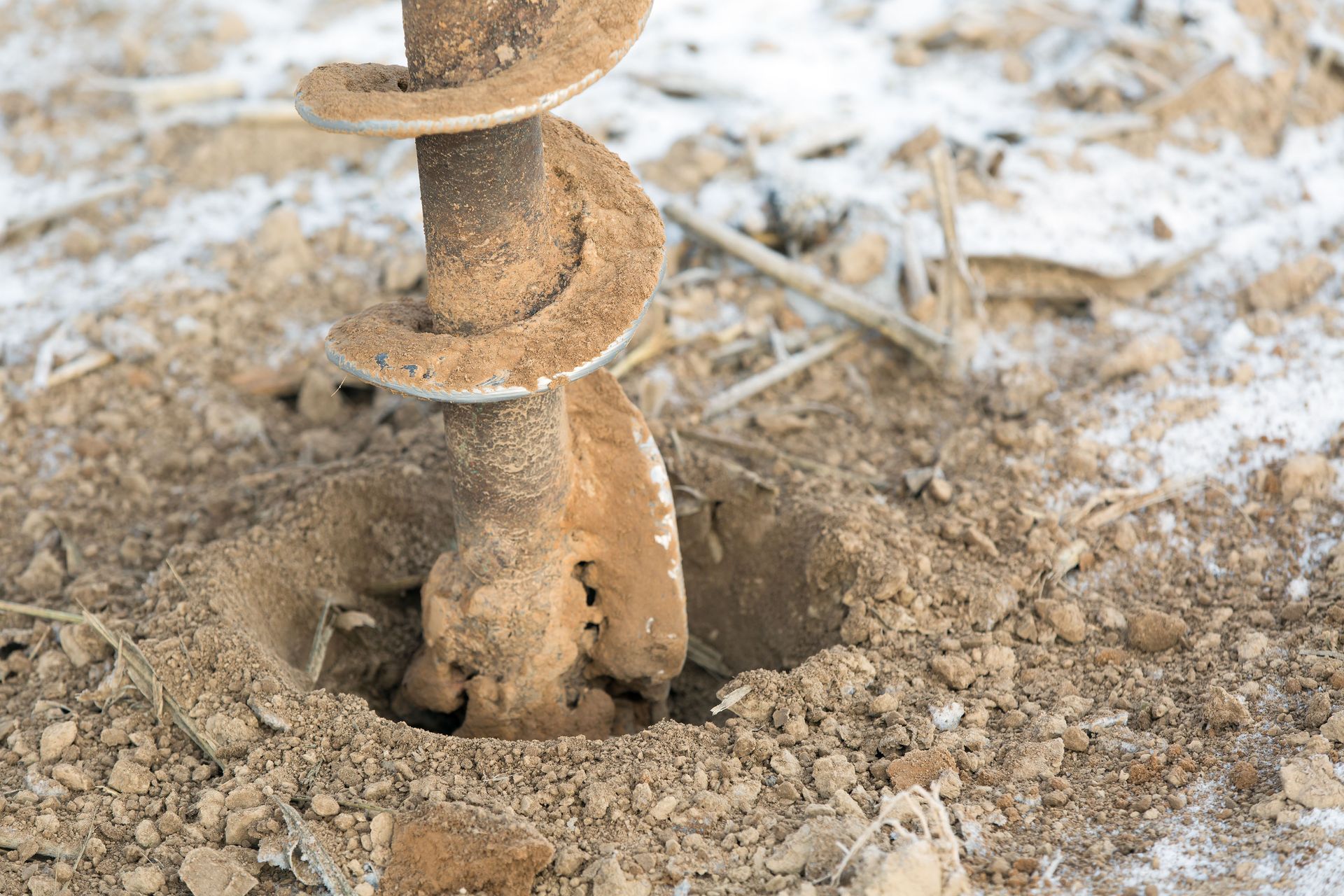
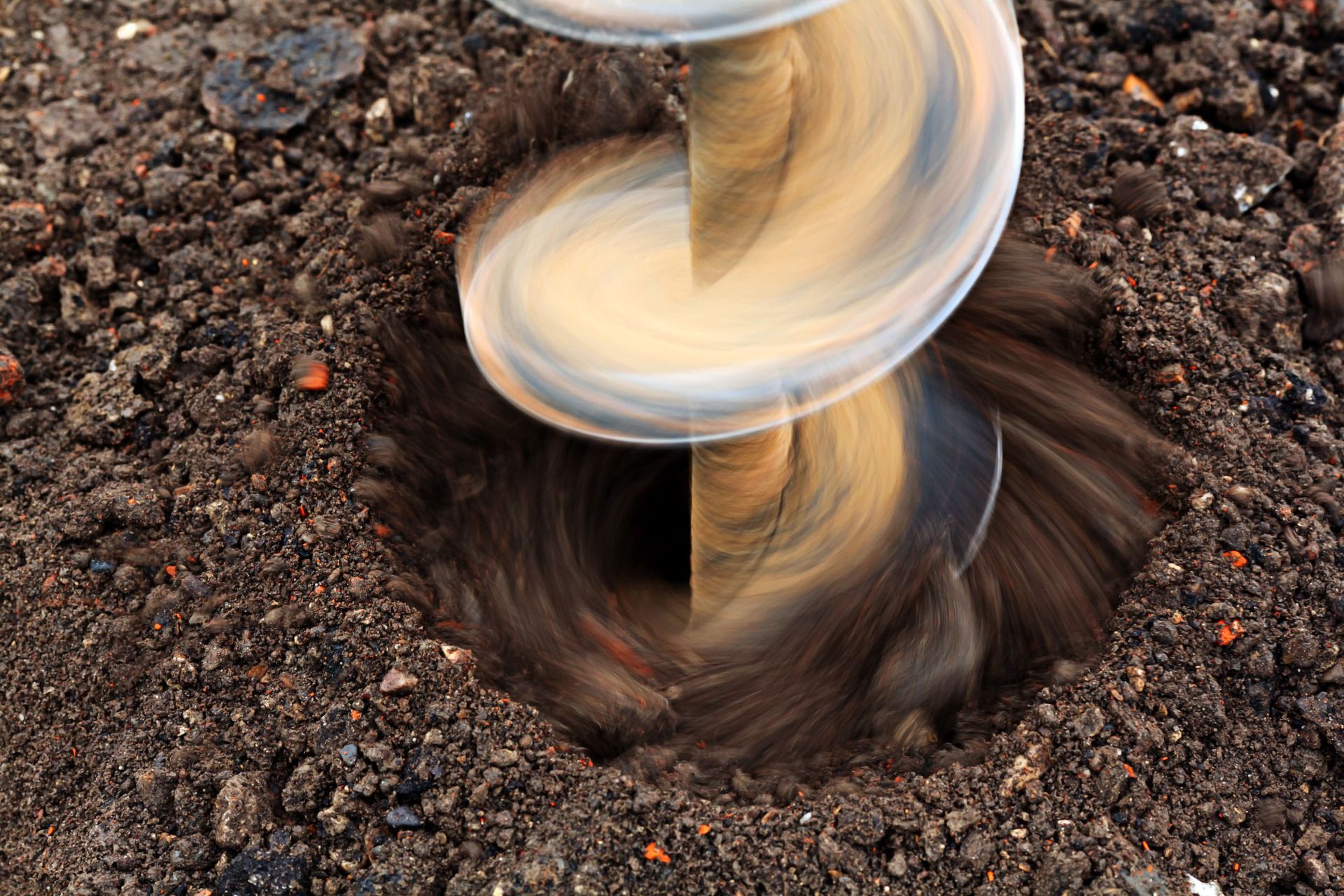
On the day the project begins, it is essential to be prepared for the arrival and setup procedures that mark the start of the installation. The team will transport heavy equipment and machinery, such as drill rigs and casings, to the site, necessitating adequate space and accessibility for large vehicles. A clear path for these vehicles minimizes setup delays and ensures a smooth start to the day's operations. The team will establish a base of operations, securing the safety and stability of all equipment and personnel on the premises. Ensuring appropriate access to power sources and water facilitates an efficient and organized site. You should communicate with the crew to discuss logistics and specific site requirements before the well driller starts the engine.
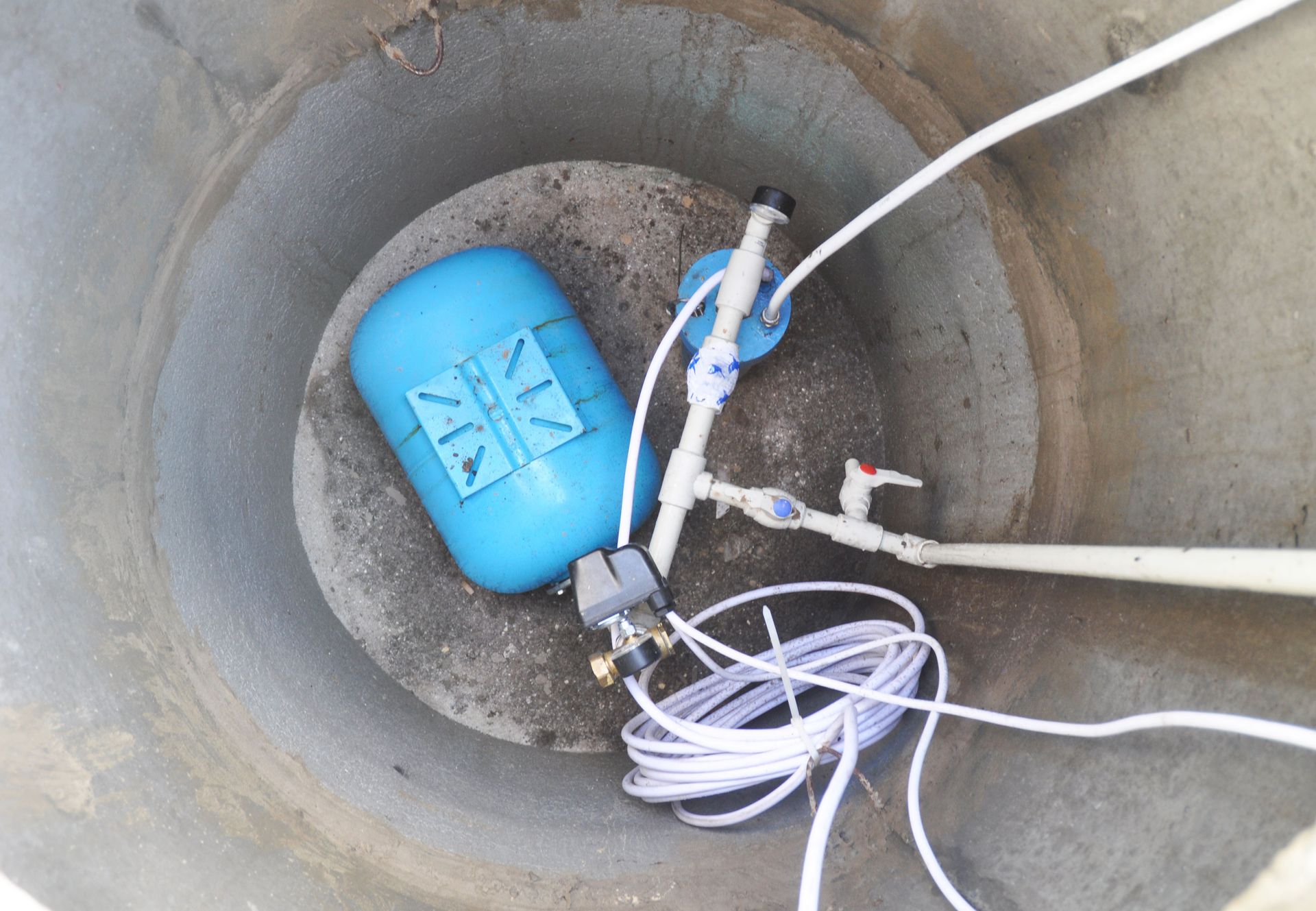
The process demands a range of specialized equipment and tools tailored to the geological and logistical requirements of the specific property. Alongside the main rig, a diverse array of tools supports operations, including cutting heads and stabilizers to address specific underground challenges. Regarding the mechanical components, according to This Old House, there are two main types of well pumps: submersible pumps and jet pumps. Safety equipment remains critical for ensuring the well-being of every person on the site during the active phase of the project.
Maintain System Quality After Installation
Once the borehole is complete, development is an essential step in optimizing water flow and removing sediments and debris from the system. Techniques such as airlifting or surging help clear obstructions and facilitate efficient water movement to achieve ideal production rates. Following this development, thorough water testing is conducted to assess quality and safety, ensuring that the supply meets health standards for consumption. Laboratory analysis provides comprehensive insights into water composition, identifying potential contaminants or mineral imbalances that might necessitate specialized treatment.
Ongoing care and maintenance are vital for the long-term health and performance of your new independent water system. Regular inspections of the casing, cap, and surrounding area can help identify potential issues before they become costly or dangerous problems. Homeowners should keep accurate records of water levels, pump performance, and any water quality tests performed throughout the life of the system. After the well driller departs, the responsibility for stewardship falls on the property owner to ensure the system thrives.
Taking the time to prepare for a new water system is an investment in your property's future and your family's well-being. By understanding the terminology, preparing the site, and navigating the legal requirements, you turn a complex industrial process into a manageable home improvement project. A clear focus on communication and post-installation care ensures that your water remains a refreshing and reliable resource for decades. When you are ready to secure your own independent water source with the aid of an expert well driller, contact us at Motzko Well Drilling.
Share On: