6 Ways Expert Well Drilling Protects Your Water Supply
A reliable and safe water supply is crucial for both household use and agricultural productivity. Well drilling plays an essential role in providing access to clean water, especially in areas not connected to municipal supplies. Professional services facilitate thorough assessment and strategic planning, safeguarding water quality and sustainability. This article delves into various methods and considerations employed by experts to protect and enhance water supply systems. By understanding these strategies, individuals and communities can better manage their reliance on natural water sources in the United States.
1. Assessing the Local Geology
Expert well drilling begins with a deep understanding of the soil composition in the designated area. This involves analyzing various soil layers to determine their permeability, which influences how water moves through the ground. Soil composition affects the choice of location, as certain soil types can better support the structural integrity of a well. Advanced geological surveys identifying the most suitable spots often employ techniques such as soil sampling and particle analysis. By focusing on these elements, a professional well-drilling company can strategically plan placement, optimizing access to clean water.
Evaluating Water Table Levels
Another critical component of preparing for construction is evaluating water table levels, which vary based on geographical and climatic conditions. Understanding these levels informs the depth necessary for drilling to facilitate a consistent water supply. According to data from HomeGuide, residential wells typically reach depths of 100 to 300 feet, depending on the specific groundwater availability in the region. Expert drillers employ hydrogeological mapping and resistivity testing to monitor and interpret water table fluctuations. Assessing these levels helps in maintaining sustainable extraction rates and preserving the resource for future needs.
Identifying Potential Contaminants
Identifying and mitigating potential contaminants is vital to protecting water quality before a well-drilling company begins its work. Natural contaminants can include sediments and minerals, while human activities may introduce substances like pesticides and industrial waste. Experts conduct extensive surveys to locate these risks and assess their impact on future water quality. Methods such as chemical analysis and microbial testing are used to detect contaminants at different subsurface layers. By identifying these risks early, drillers can design systems that filter and protect against contamination.
2. Utilizing Advanced Drilling Techniques
Percussion drilling is a traditional yet effective method that involves repeatedly raising and dropping a heavy drill bit into the ground. This technique is notable for reducing the risk of disrupting underground waterways since the impact is largely localized to the drill path. The method is particularly advantageous in rocky terrains where other methods might fail. Percussion drilling helps maintain the natural structure of the aquifer, making it a sustainable option for construction.
Applying Rotary Drilling
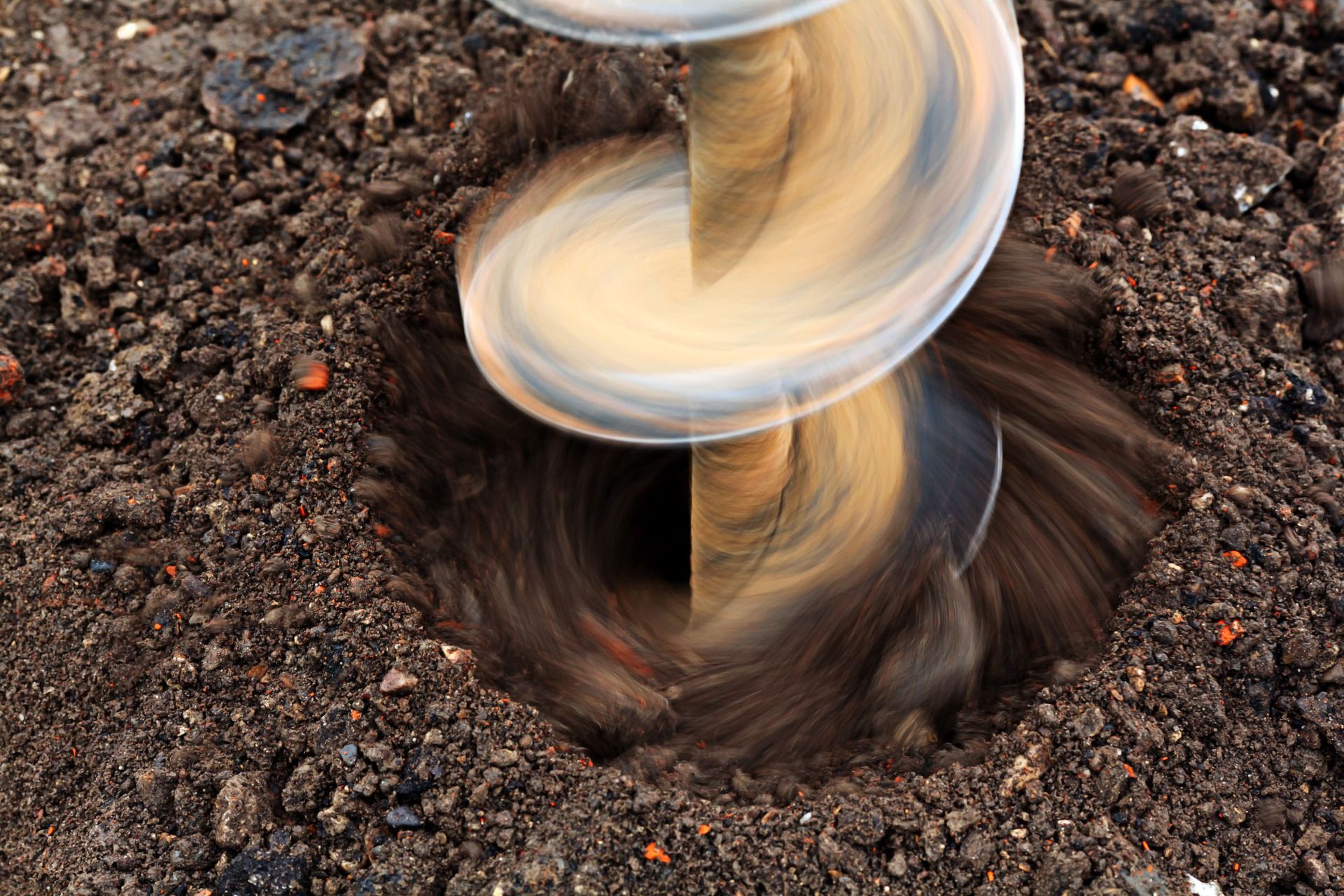
Rotary drilling, one of the most popular methods, enables access to deeper and often more pristine water sources. Using a rotating drill bit, this method can penetrate various soil and rock layers efficiently, creating a stable well casing. Its ability to reach significant depths provides a tap into reliable groundwater supplies. Advanced rotary rigs come equipped with features that allow them to monitor drilling conditions in real time, adjusting operations to suit geological changes. This method offers precision and reliability while managing environmental impacts.
Utilizing Air Hammer Drilling
Air hammer drilling is a technique lauded for its precision and efficiency, especially in hard rock terrains. It uses high-pressure air to drive a hammer that breaks through tough geological formations, minimizing time and energy expenditure. This method is ideal for regions with complex subsurface conditions, enabling a well-drilling company to access clean water layers without extensive surface disruption. Its efficiency in tough conditions also reduces the risk of equipment wear, maintaining operational integrity over time.
3. Maintaining Proper Well Installation
Choosing the right casing material is essential to safeguarding against contamination and maintaining structural strength. Various materials, such as steel, PVC, or fiberglass, each offer unique advantages based on soil chemistry and mechanical requirements. Casings act as a barrier against contaminants, preventing them from entering the water. Expert drillers assess environmental conditions to recommend materials that provide durability and resistance to corrosion. Selecting the correct material is a critical factor in long-term integrity and purity.
Determining Correct Well Diameter
Determining the correct diameter is crucial for facilitating ample water access and equipment longevity. A well's diameter affects not only the initial capacity and flow rate but also its ability to support necessary equipment like pumps and filtration systems. Experts use hydrogeological data to design a diameter that balances water demand with extraction capability. By accurately determining these dimensions, installers optimize the system’s efficiency and durability.
Executing Grouting Techniques
Advanced grouting techniques play a vital role in sealing wells and preventing pollutants from entering supplies. Grouting involves filling the space between the casing and the drilled hole with materials like bentonite or cement. This seal prevents the flow of potentially polluted surface water into the groundwater supply. Properly applied grouting acts as a safeguard against contamination, which is crucial for maintaining water purity. Experts apply these materials uniformly to maintain a durable barrier against unwanted intrusions.
4. Focusing on Monitoring and Maintenance
Regular water quality testing is vital in maintaining high standards of safety and potability. Periodic testing identifies potential issues like chemical imbalances or microbial presence before they become significant problems. Experts recommend testing at least annually, or more frequently in regions with known contaminants. Using modern testing equipment, contractors can pinpoint issues down to parts per million. Regular testing provides an ongoing assessment that protects residents’ health by facilitating consistently safe water.
Conducting Periodic Mechanical Inspections
Periodic mechanical inspections of components facilitate continued operational efficiency and prevent failures. These inspections assess key components such as pumps, seals, valves, and filtration systems for wear and performance. Early identification of mechanical issues allows for timely repair or replacement, avoiding disruptions. A professional well-drilling company can design maintenance schedules that align with the equipment’s operational lifespan. By maintaining mechanical integrity, the reliability of the supply is secured.
5. Addressing Environmental Concerns
Sustainable drilling practices minimize environmental impact while optimizing resource use. These include precision techniques that reduce soil disruption and methods that recycle drill cuttings. Experts consider the full lifecycle of impacts, from energy consumption to waste management. By aligning with green practices, they promote conservation and support broader ecological health. Sustainable practices assure that water access does not come at the cost of nature.
Mitigating Surface Runoff Risks
Managing surface runoff is crucial to protecting wells from contamination. Runoff from storms or agricultural activities can carry pollutants into sites, risking the supply. A well-drilling company will employ strategies such as designing drainage systems and creating natural buffer zones to mitigate these risks. These preventative measures reduce polluting potential while maintaining the natural hydrological balance. By proactively addressing runoff, operators facilitate the protection and sustainability of the resource.
6. Supporting Community and Education
Public awareness campaigns play a vital role in educating residents about the importance of protecting their water supply. These initiatives often focus on everyday practices that contribute to conservation and pollution prevention. By raising awareness, these initiatives encourage communities to adopt sustainable practices and support conservation efforts at a grassroots level. Increased public knowledge promotes a collective endeavor to safeguard resources.
Encouraging Sustainable Water Practices
Encouraging sustainable water practices at the community level is crucial for providing a continued supply. This involves promoting behaviors like reduced consumption, rainwater harvesting, and efficient usage technologies. By implementing educational programs, communities can engage in meaningful action. Such practices not only enhance availability but also instill a sense of shared responsibility and environmental consciousness.
Expert well drilling is a strategic necessity that significantly benefits homeowners and agricultural operators alike. These professionals provide the health, safety, and longevity of your water source by utilizing advanced technology and adhering to rigorous industry standards. With expertise in geological assessment, mechanical installation, and environmental compliance, a qualified team offers holistic and reliable service. Investing in professional construction offers peace of mind and long-term cost-effectiveness.
If you are ready to establish a secure and high-quality water source for your property, contact Motzko Well Drilling today. As a premier well-drilling company, we provide the precision and expertise required to keep your water flowing safely for generations to come.
Share On: