6 Reasons Why You Should Only Have a Well Drilled by a Professional
A private water well can support a home, farm, or business for decades, but the quality of that water source depends heavily on how the well is planned and constructed. Drilling is not simply a matter of making a deep hole and installing a pump. Soil composition, bedrock, water-table depth, casing, sealing, water demand, and regulatory requirements all influence whether the finished system performs reliably.
Because so many conditions must be evaluated before and during construction, professional involvement is essential. Experienced well drillers use specialized equipment, understand local geological challenges, and follow established procedures that help protect water quality and system performance. The following reasons explain why well construction should never be approached as a do-it-yourself project.
1. Professionals Understand Local Soil and Geological Conditions
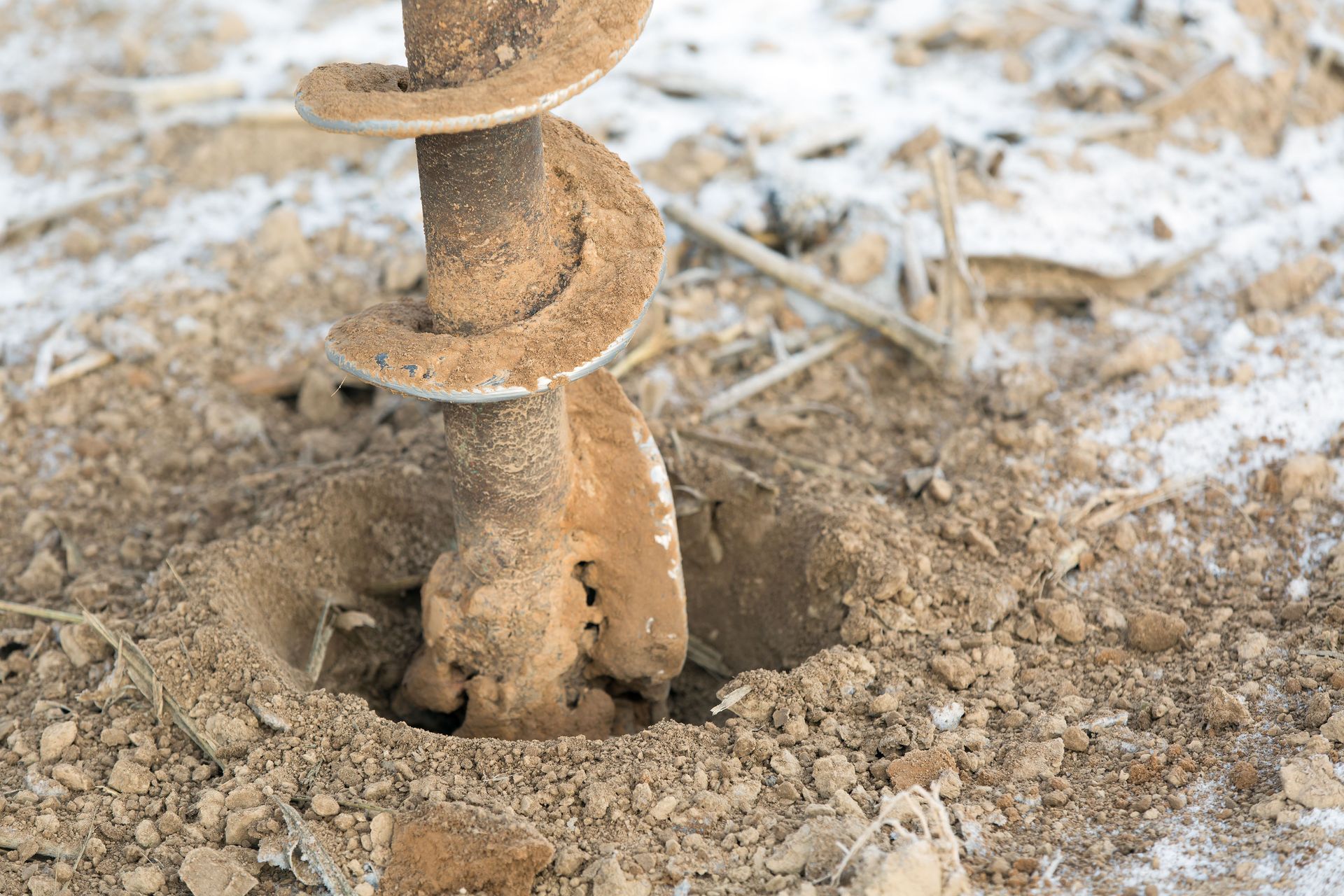
The ground beneath a property can vary significantly, even across relatively short distances. One site may contain sandy soil and gravel, while another may include dense clay, glacial till, or layers of rock. Each condition affects how drilling equipment moves through the ground, how the well should be cased, and how easily water can enter the finished system.
Professional well drillers evaluate these conditions before and during the project. Their knowledge helps them adapt the drilling method to the soil and rock encountered rather than relying on assumptions. This is especially important in areas where shifting soils, heavy clay, or hard formations may increase drilling difficulty or affect long-term performance.
Local experience also helps professionals anticipate sediment concerns, seasonal water-table changes, and other issues that may influence well depth or maintenance needs. A poorly planned well may produce cloudy water, experience low yield, or require frequent attention. Proper geological evaluation supports a more dependable result from the beginning.
2. They Determine an Appropriate Well Location and Depth
The placement and depth of a well affect both water availability and water quality. A location that appears convenient may be too close to potential contamination sources, difficult to access with drilling equipment, or poorly suited to long-term maintenance. Professionals consider property layout, groundwater conditions, access, and applicable regulations before choosing a drilling location.
Depth decisions are equally important. A well that is too shallow may be more vulnerable to seasonal fluctuations, surface contamination, or reduced supply during dry periods. A deeper well may provide a more consistent source, but it can require additional labor, casing, and pumping capacity. The goal is not to drill as deeply as possible, but to reach a dependable source that matches the property’s needs.
Experienced well drillers also consider how much water the property is likely to use. A residential household, commercial building, and agricultural operation may have very different demands. Evaluating expected usage helps determine whether the well and pump system can support daily needs without unnecessary strain.
3. Professional Construction Helps Protect Water Quality
A well creates a direct connection to groundwater, which makes proper construction essential for protecting the supply. If casing, seals, or other components are installed incorrectly, surface water and contaminants may find a path into the well. Bacteria, nitrates, sediment, fertilizers, and other pollutants can affect water safety and clarity.
Professional construction includes attention to the well casing, sealing materials, and the way the upper portion of the well is protected. These components help separate the water supply from surrounding soil and surface conditions. The finished system must also meet state and local requirements intended to protect both the property owner and groundwater resources.
Water testing adds another layer of protection. After drilling, testing can help confirm whether the water meets applicable safety standards and whether treatment may be necessary. Because water quality can change over time, periodic inspection and testing remain important after the well is placed into service.
4. Specialized Equipment Improves Safety and Accuracy
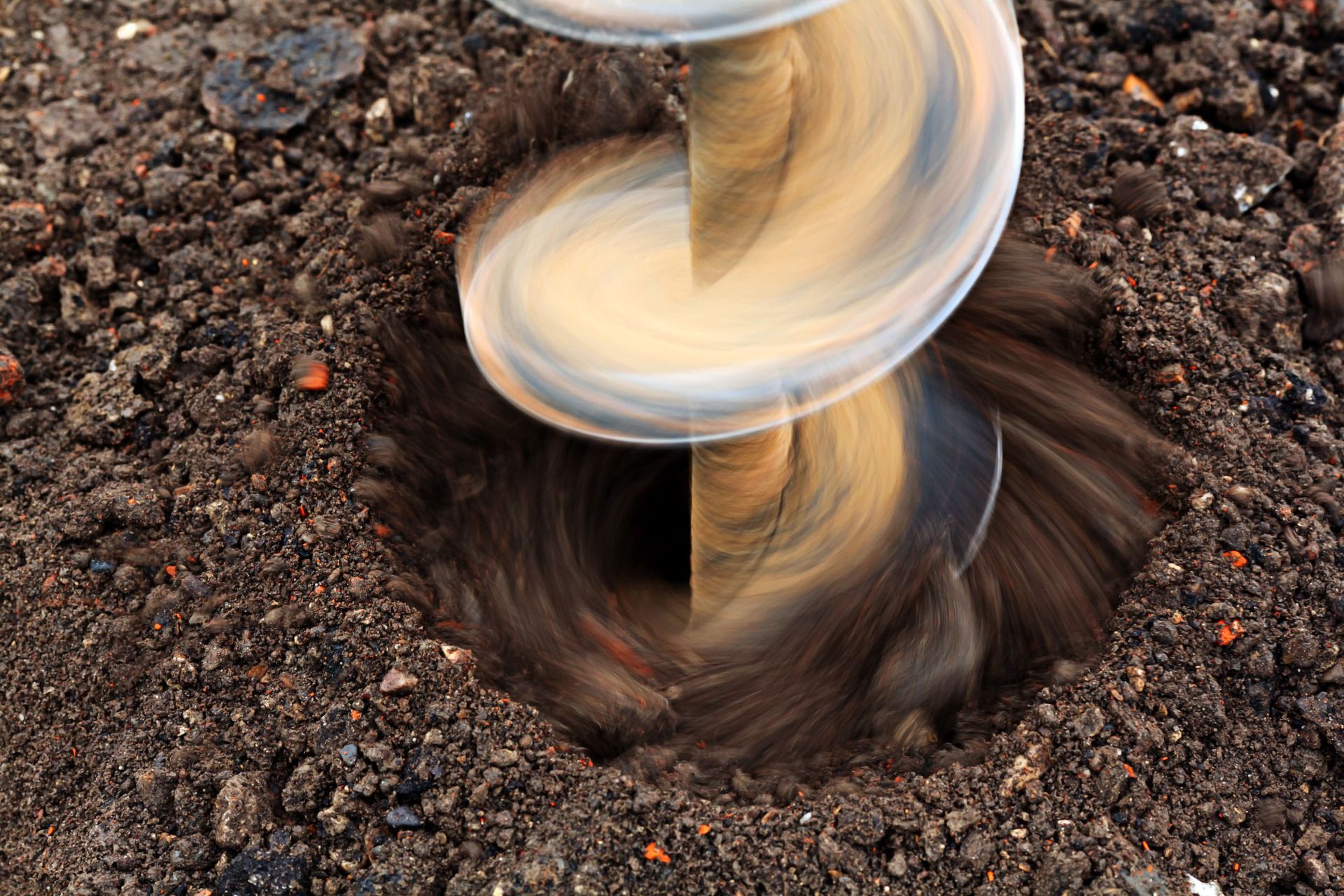
Well drilling requires heavy machinery, lifting equipment, drilling tools, casing materials, pumps, and other components that must be handled correctly. The work involves deep excavations, rotating equipment, underground conditions, and significant physical forces. Attempting to complete this work without the right machinery and training can create serious risks.
Professional well drillers use equipment designed for different soil and rock conditions. They can adjust the drilling process as underground conditions change and monitor progress throughout the project. This helps reduce the likelihood of collapsed boreholes, damaged equipment, improperly installed casing, or other construction problems.
Accurate installation also supports the later stages of the system. The pump, pressure tank, and related components must work with the well’s depth, yield, and intended use. Errors made during drilling can affect water pressure, pump performance, and long-term operating costs. Professional coordination helps the parts function as one complete water system.
5. Proper Installation Supports Long-Term Reliability
A well is a long-term investment, and its useful life depends on construction quality and ongoing care. According to HomeGuide, a professionally installed water well can last 30 to 50 years with proper maintenance, although individual components generally have shorter service lives. This longevity makes the initial drilling and construction process especially important because early mistakes can affect the system for decades.
Casing, seals, pumps, and pressure equipment may wear at different rates. Routine inspections can identify changes in water level, pressure, sediment, pump performance, or casing condition before they become major failures. Maintenance may also include cleaning or other corrective work when mineral buildup and sediment begin to affect flow.
Professional installation creates a stronger foundation for this long-term care. Complete records of the well depth, construction, pump specifications, and testing results can make future service more efficient. When a problem develops, technicians have better information for diagnosing the issue and determining whether repair, maintenance, or component replacement is appropriate.
6. Professionals Follow Regulations and Proper Closure Procedures
Water wells are subject to rules that protect drinking water and groundwater resources. These requirements may address location, setbacks, construction, casing, sealing, testing, and documentation. A professional understands the applicable standards and can complete the work in a way that supports compliance.
Regulatory knowledge is also important when an old well is no longer in use. An abandoned well should not simply be covered or ignored. If it is left open or improperly sealed, it can create a safety hazard and provide a direct route for contaminants to reach groundwater. Proper abandonment involves sealing and closing the well according to required procedures.
Qualified well drillers can also explain which parts of the project require permits, inspections, or records. This guidance helps property owners avoid delays and reduces the risk of discovering later that the well does not meet current requirements. Compliance is not an administrative detail; it is part of protecting the water supply and surrounding environment.
A water well must be planned as a complete system rather than as a single drilling task. Site conditions, water demand, depth, casing, sealing, pump selection, testing, and maintenance all affect the final result. Professional involvement helps connect these decisions so the well can provide a dependable supply without creating avoidable safety or performance concerns. Motzko Well Drilling provides water well drilling for residential, commercial, and agricultural properties. We also offer well inspections and testing, pump and pressure tank services, maintenance, rehabilitation, emergency assistance, and proper well abandonment. Working with experienced well drillers can help property owners establish and maintain a reliable water source.
Share On: