Clearing Up 6 Common Misconceptions About Water Wells
Water wells play an essential role in providing dependable access to groundwater for homes, farms, and rural properties, yet there are still many misconceptions about how they actually work. These misunderstandings can lead to confusion about everything from water availability to system maintenance, often making well ownership seem more uncertain than it really is. In reality, modern water wells are carefully engineered systems that rely on predictable groundwater sources and professional installation methods, typically handled by a well drilling company.
As water needs evolve and drilling technology continues to improve, it becomes even more important to separate fact from fiction. Many of the concerns people have about wells come from outdated assumptions rather than how these systems function today. A qualified well drilling company helps ensure systems are designed correctly from the start, which reduces long-term uncertainty. By clearing up the most common misconceptions, property owners can better understand what to expect from a well system and how to maintain it properly over time.
1. That Water Wells Never Run Dry
One of the most common misconceptions is that water wells provide an endless supply of water regardless of usage or environmental conditions. This belief overlooks the fact that wells draw from underground aquifers, which are natural water sources that can fluctuate based on rainfall, recharge rates, and local demand.
Water demand in surrounding areas can also influence how quickly an aquifer responds to replenishment. When multiple wells draw from the same underground source, the combined usage can place additional pressure on groundwater levels. This makes responsible water use an important factor in long-term well performance.
Aquifers are not static systems, and their water levels can rise or fall depending on seasonal conditions and long-term climate patterns. Heavy water use in a region can also contribute to reduced groundwater levels, which may affect well performance over time if not managed responsibly.
According to Water Well Journal, a well can last anywhere from 25 to 100 years, depending on construction quality, aquifer conditions, and usage patterns. This lifespan reflects long-term variability rather than unlimited output, reinforcing the importance of proper design and monitoring, often overseen by a well drilling company.
2. That All Well Water Is Naturally Safe
Many people assume that groundwater is automatically clean because it comes from beneath the surface, but this is not always the case. Water can pick up minerals, bacteria, or other contaminants depending on surrounding soil composition and environmental activity.
Changes in land use around a property can also affect groundwater quality over time. Construction activity, nearby agriculture, or septic systems can introduce variables that gradually influence the condition of a private well supply. These factors often go unnoticed without routine monitoring.
Natural filtration through soil layers does remove many impurities, but it does not guarantee complete protection from contamination. Surface runoff, agricultural activity, and aging infrastructure can all influence water quality in a private well system.
Regular water testing is an essential part of well ownership because it helps identify changes in water composition over time. Without testing, contaminants may go unnoticed even when water appears clear and odor-free, something a well drilling company often emphasizes during system setup education.
3. That Wells Require Minimal Maintenance
Another common assumption is that once a well is installed, it can operate indefinitely without significant maintenance. In reality, wells are mechanical and geological systems that require ongoing attention to maintain performance and water quality.
Environmental conditions such as seasonal groundwater shifts and natural wear on pumping systems can gradually impact well performance over time. These factors make periodic evaluation an important part of keeping the system functioning as expected over time.
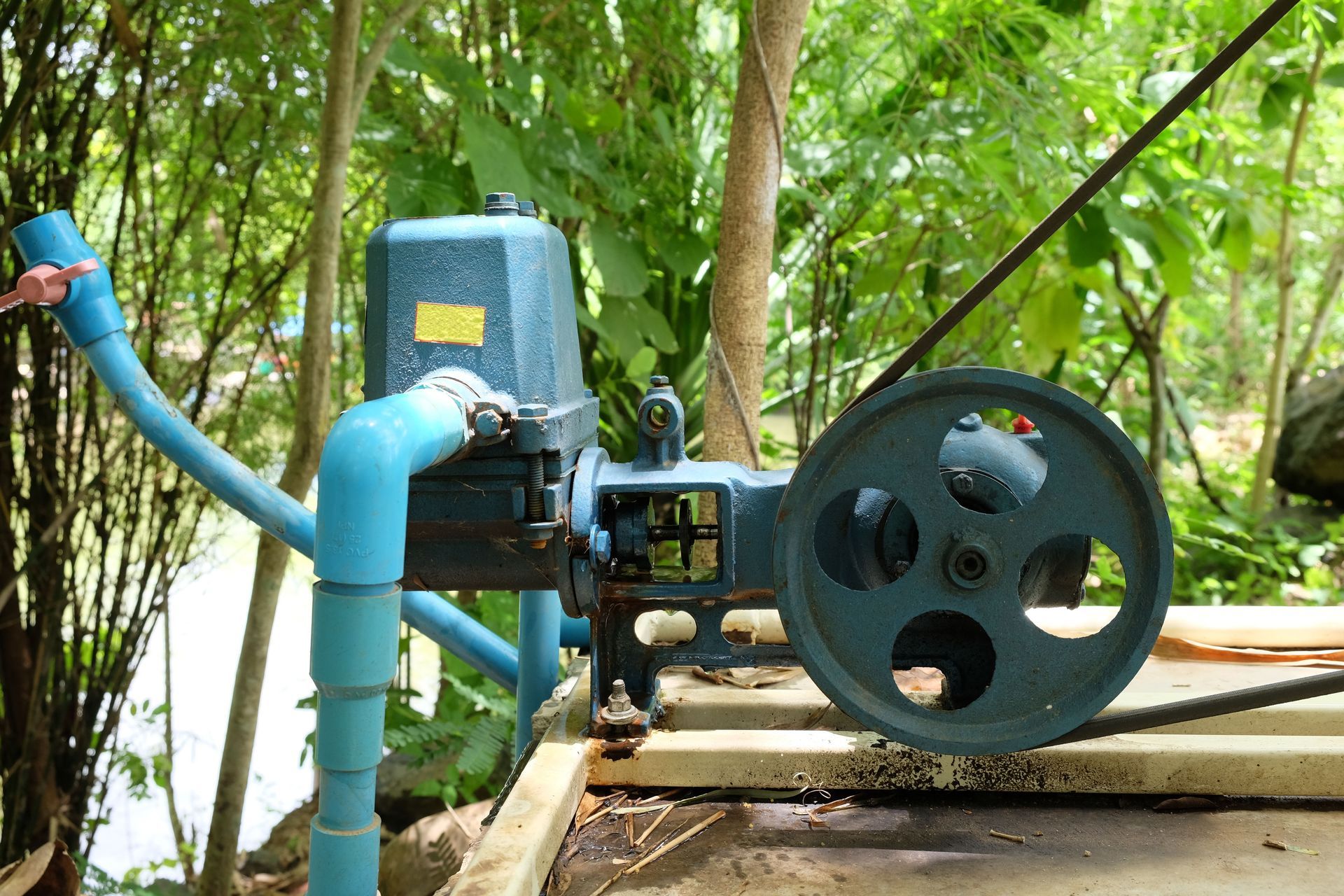
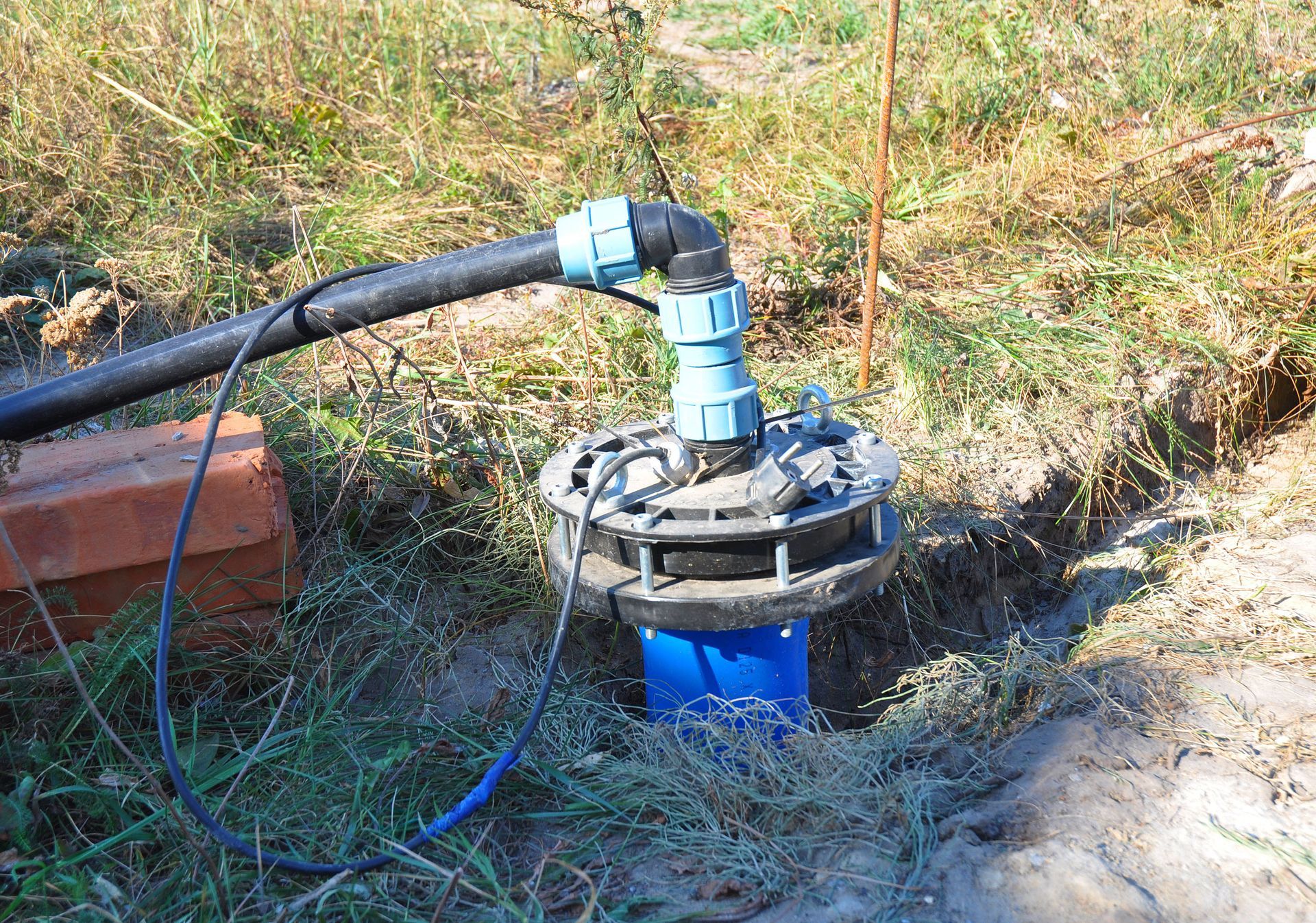
Components such as pumps, pressure tanks, and well casings can wear down over time due to regular use and environmental exposure. Routine inspections help identify early signs of wear before they develop into more serious issues that affect water delivery.
Neglecting maintenance can lead to reduced efficiency or unexpected system failures. Preventive care is often more cost-effective than emergency repairs and helps extend the functional life of the system, which any well drilling company will typically stress during service planning.
4. That All Wells Function the Same Way
It is often assumed that all water wells operate identically, but system design varies significantly depending on depth, geology, and water demand. These differences directly affect performance, yield, and long-term stability.
Regional differences in soil composition and bedrock structure can significantly influence drilling outcomes. Even small variations in underground formations can change how water is accessed and how consistently it flows over time.
Shallow wells may respond more quickly to surface conditions, while deeper wells typically draw from more stable aquifers. Each design requires different water well drilling techniques and equipment to ensure proper installation and performance, something a well drilling company evaluates during planning.
Because of these variations, two wells in different locations may behave very differently even if they serve similar purposes. Local geological conditions play a major role in determining system design and output.
5. That Well Installation Is a Simple Process
Some people believe that drilling a well is a straightforward task, but the process involves detailed planning, engineering, and site evaluation. Proper installation requires understanding subsurface conditions before drilling begins.
Weather conditions and seasonal groundwater shifts can also influence when and how drilling should take place. Timing the installation correctly helps improve efficiency and reduces complications during the drilling process.
Geological surveys and soil analysis help determine the best location and depth for accessing groundwater. Without this preparation, a well may produce inconsistent results or fail to reach a viable aquifer.
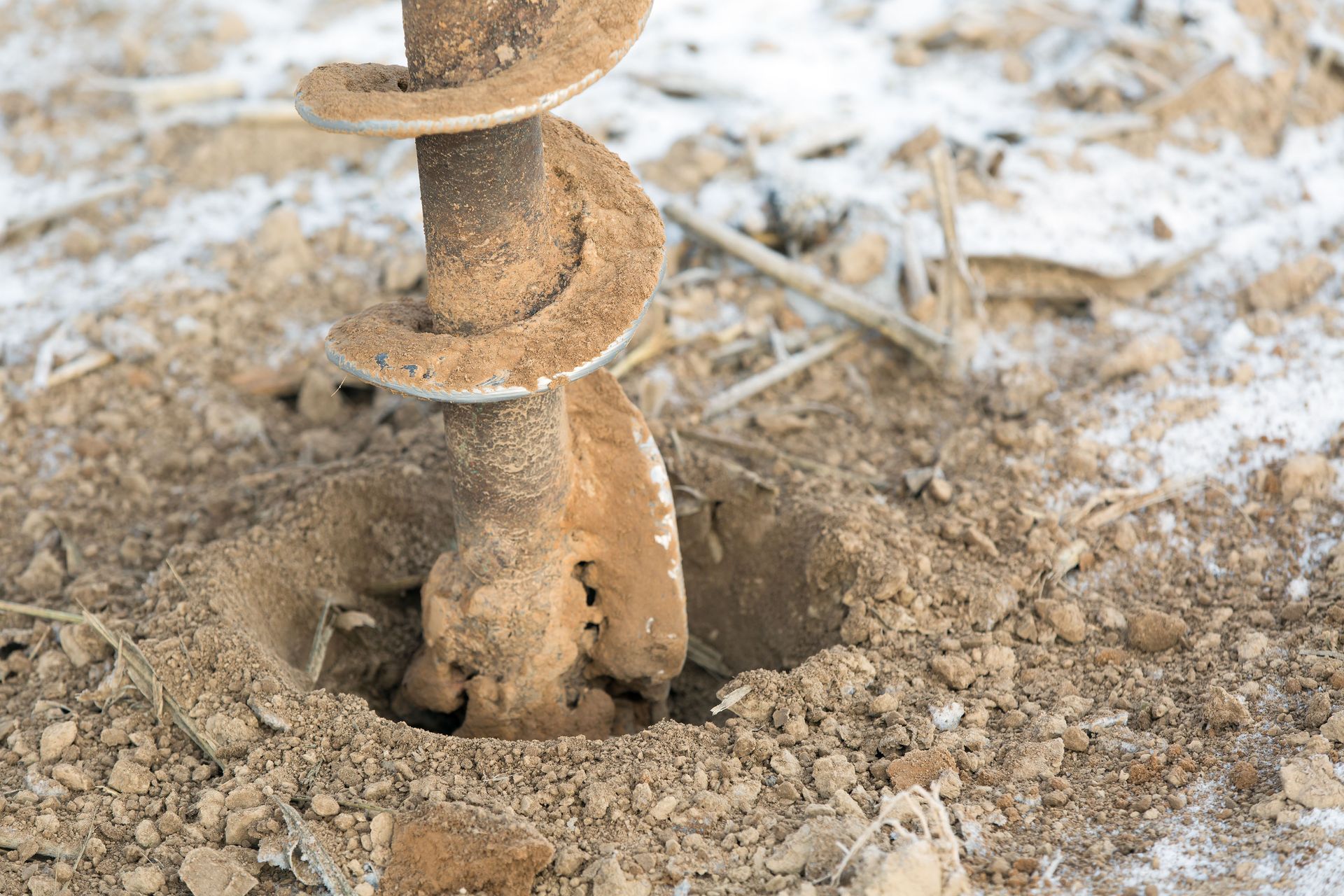
Professional water well drilling equipment and experienced field crews are essential to ensure the well is installed safely and performs as intended, which is why a well drilling company is typically involved from start to finish. Each installation must be tailored to the specific conditions of the site to achieve long-term performance.
6. That Water Pressure Problems Always Mean System Failure
Low or inconsistent water pressure is often assumed to indicate a major system failure, but this is not always accurate. Pressure changes can result from simple issues such as pump cycling, clogged filters, or seasonal water table shifts.
Many of these issues can be identified during routine well inspections or through pump and pressure system evaluations rather than requiring major repairs. Identifying the source of the pressure change is key to determining whether it is a minor adjustment or a larger system concern.
In some cases, pressure fluctuations are temporary and resolve as groundwater levels stabilize. However, ongoing issues should always be evaluated to prevent long-term strain on the system.
7. That Water Wells Require Constant Emergency Attention
Another misconception is that water wells frequently require urgent repairs or constant intervention to remain functional. In reality, properly installed systems supported by routine water well service typically operate consistently with only periodic maintenance needs.
Many well components, including pumps and pressure tanks, are designed for long-term operation under normal usage conditions. Regular monitoring helps ensure that small changes in performance are addressed before they develop into larger concerns.
Well systems that receive scheduled inspections and maintenance are less likely to experience unexpected interruptions. This helps maintain steady water delivery for residential, agricultural, and commercial use, often coordinated through a well drilling company.
Water wells are often misunderstood, but modern water well drilling methods and improved system design have made them more dependable and efficient than many people realize. Misconceptions about water availability, safety, maintenance, and system behavior can lead to confusion about how wells actually function in real-world conditions.
Understanding how aquifers, mechanical components, and geological factors interact helps clarify why wells require proper planning and ongoing care. These systems are not static sources of water but dynamic structures influenced by environmental conditions and usage patterns.
With accurate information, property owners can make more informed decisions about installation, maintenance, and long-term water management. For additional guidance and professional support, Motzko Well Drilling provides water well drilling and service solutions designed to support dependable system performance over time.
Share On: