Why Well Inspections Are Vital for Clean Drinking Water
Access to clean drinking water is a fundamental human need and a key determinant of public health. As the world's population grows, so does the demand for fresh and clean water, emphasizing the importance of maintaining our current water systems. One of the most critical elements in this infrastructure is the well system, an unnoticed guardian of water purity for many communities. According to Consumer Affairs, a well pump should be serviced by a professional one time a year to maintain its efficiency and prevent breakdowns. Regular well inspections are crucial to ensuring that this supply remains uncontaminated and safe for consumption. By exploring the intricacies of well inspections, we can shed light on their indispensable role in sustaining clean drinking water.
Checking Mechanical and Electrical Components
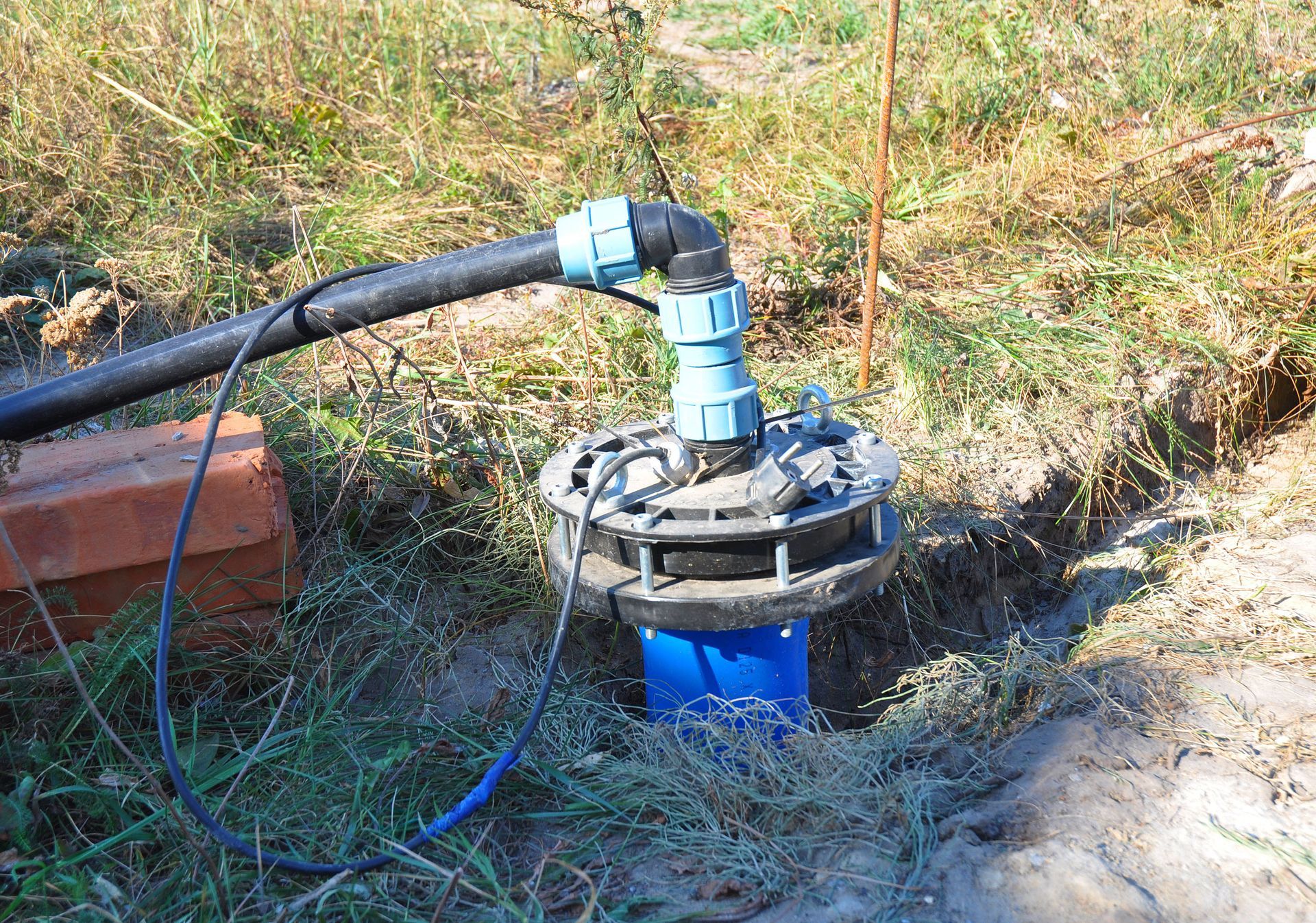
The well's mechanical and electrical components, including the pump, wiring, and control systems, are essential for water extraction and delivery. A malfunction in these systems can significantly impact water availability and quality, which makes their inspection imperative. During well inspections, engineers check for signs of corrosion, wear, or electrical failures that could indicate a potential breakdown. Ensuring that these components are in good working order prolongs the well's lifespan and maintains its efficiency. Regular checks, including annual professional services for the well pump, help avert unexpected failures.
Reviewing Historical Maintenance Records
Maintenance records provide invaluable data for well inspections, offering insights into the well's performance history. Reviewing these records allows inspectors to track past problems and predict future maintenance needs, establishing patterns that can aid in decision-making. They help determine when crucial components, like pumps or filters, were last replaced or serviced. Maintenance logs also ensure compliance with local regulations concerning water quality and safety standards. Utilizing these records effectively is key to preemptive maintenance strategies that prevent costly overhauls.
Identifying Potential Environmental Risks
During well inspections, potential environmental risks are assessed, including nearby sources of pollution and natural disasters such as floods or earthquakes that could affect water quality. Land use changes, like new construction or deforestation near the well, could introduce new contamination risks. Inspectors must evaluate the proximity of potential hazards and recommend measures to mitigate these threats. This proactive approach guards against environmental degradation and ensures the well continues to provide clean water. Regular reviews, especially following significant environmental changes, are essential for ongoing well integrity.
Environmental conditions can change gradually over time, which is why regular well inspections remain an important part of protecting water quality. Agricultural runoff, septic system failures, chemical spills, and nearby industrial activity can all introduce contaminants into groundwater sources if left unchecked. By evaluating these potential threats during well inspections, property owners can take corrective action before pollutants affect their water supply. This proactive approach helps preserve the integrity of the well system and supports continued access to clean, safe drinking water.
Preventing Contaminant Infiltration
One primary advantage of regular well inspections is the prevention of contaminant infiltration. By detecting biological, chemical, or physical contaminants early, actions can be implemented to address the root cause promptly. This could mean repairing damaged casings or treating the water directly to remove harmful substances. Inspections prevent the consumption of polluted water, which can have dire health implications for those dependent on the well. Keeping up with annual maintenance, including updating the pump and other critical components, contributes to overall water purity.
Prolonging the Lifespan of the Well
Consistent well inspections can significantly extend the operational lifespan of a well. Detecting problems early allows for targeted interventions that prevent minor issues from becoming catastrophic failures. This proactive approach to maintenance reduces wear and tear on essential components, enhancing the well's durability. Longevity in well systems means reliable access to water without frequent costly repairs or premature replacements. Therefore, incorporating routine inspections into a well management strategy is a cost-effective way to ensure its long-term viability.
Ensuring Compliance With Health Standards
Regular well inspections assist in maintaining compliance with health and safety standards at local, national, and even international levels. These standards are designed to keep water safe for consumption, protecting communities from the health risks associated with contaminated water. Inspectors check adherence to mandates concerning contaminant levels and equipment maintenance, ensuring that operators aren't inadvertently compromising public health. Compliance avoids regulatory penalties and reassures consumers about their water's safety. As standards evolve, ongoing inspections ensure that wells remain in line with best practices.
Detecting Problems Early
Identifying and resolving minor issues during inspections can result in substantial cost savings. Catching potential faults early generally incurs lower expenses than addressing extensive damage or full system failures. For example, replacing a damaged well cap or fixing a minor leak is far less expensive than dealing with widespread contamination or pump failure. These savings extend the well's lifecycle by avoiding major repairs or even complete reconstruction. Routine inspections and timely interventions are vital for financial prudence in well maintenance.
Facilitating Better Management of Water Resources
Regular inspections contribute to the more effective management of water resources by monitoring consumption rates and assessing well capacity. Through data collected during inspections, operators can make informed decisions about water usage and sustainability practices. This information aids in reducing waste and optimizing resource distribution, particularly in water-scarce regions. Additionally, well management strategies informed by inspection data can help communities plan for future demand. Such proactive management not only conserves water but also supports environmental sustainability in the broader ecosystem.
Preventing Health Hazards from Contaminated Water
Failing to maintain regular well inspections poses significant risks to public health due to potential water contamination. Contaminated water can harbor pathogens, toxic chemicals, and other pollutants that pose severe health risks to consumers. Waterborne diseases are a real consequence of neglect, affecting children and vulnerable populations the most. Routine inspections effectively safeguard against such health hazards by ensuring that any contaminants are promptly identified and eradicated. For communities that rely on wells as a primary water source, regular inspections are nothing short of a public health necessity.
Averting Structural Failures and Collapses
Wells that aren't inspected and maintained are at higher risk of structural failure, which can lead to complete collapse. Without regular oversight, minor cracks and faults can develop into significant structural weaknesses over time. These weaknesses may result in groundwater contamination or even loss of access to the water source altogether. Structural failures pose a logistical nightmare that usually involves expensive and complicated repair procedures. Preventive maintenance through regular inspections is crucial for avoiding these costly and disruptive outcomes.
Decreasing Repair Costs Over Time
Neglecting to conduct routine inspections can lead to increased repair costs over time as minor issues grow into major problems. Unresolved mechanical failures, defective pumps, or aging components will become progressively worse without attention, culminating in costly overhauls. Ignoring minor leaks or corrosion, for instance, could eventually demand a complete system replacement. Regular well inspections ensure that minor issues are detected and rectified early, reducing repair costs and extending the system's longevity. This forward-looking approach is financially sound and contributes to efficient resource allocation.
The significance of well inspections in maintaining clean drinking water can't be overstated. By understanding their multifaceted benefits, we can recognize that regular well inspections are indispensable for public health, resource management, and environmental sustainability. Ultimately, consistent well inspections from Motzko Well Drilling hold the key to reliable access to clean water. Reach out to us today to get started with a free quote!
Share On: